


In today’s world of Romantasy and young adult literature, reading has gradually shifted into passive escapism for many. While some haven’t picked up a book in years, an entire sub-section of the social media app TikTok has been relegated to finding, reading and reviewing the next hot, trendy book. However, like any algorithm, BookTok often promotes books that garner the most engagement over those with challenging content.
Reading challenging books improves analytical skills, attention span and vocabulary. While anything that motivates the public to pick up any book is valuable — even flash fiction — reading critically at a high level is an important skill to possess. It may even be fun. Classic literature is, by majority agreement over time, the best that writing as a whole has to offer.
Many may groan at the thought, but classic literature shouldn’t feel pretentious or boring. Classics are considered classics because of their ingenuity and the universal themes or lessons they contain. Many classic books are still relevant and evolving today outside of the library and English class. The glamorous stages of Broadway are never empty of a play written by William Shakespeare, whose work is synonymous with classic literature. A modern movie adaptation of Charlotte Brontë’s classic “Wuthering Heights” was released this February.
But what actually makes a book a classic?
While deft writing, enthralling narratives, lifelike or memorable characters and even popularity are all important, lasting relevance is the defining feature of the genre. Classic literature aims to be timeless and to connect readers through universal themes and experiences.
Being the first of its kind of style or narrative may also be a supporting qualifier into the classic literature genre. Many consider Mary Shelley’s regency-era novel “Frankenstein” to be the beginning of the science fiction genre. George Orwell’s post-World War Two novels “1984” and “Animal Farm” are another example of innovation in literature, as they’re two of the first novels to explore and critique authoritarian communism.
Orwell’s works of fiction explore the worst of society. Both depict the oppression of a fascist dictatorial regime. Ironically, the protagonists of “Animal Farm” aren’t even human. True to its title, the book features animals who start to become human through their cruel treatment and tyranny over their fellow animals. Through it, Orwell allegorically scrutinises the fascist regime of Stalin, displaying the dangers of ignorance and power clearly.
Similarly, “Lolita,” by Vladimir Nabokov, is an ambiguous tragedy. When the book was published in 1965, it was received just as such. The novel was banned almost immediately in France before it garnered great commercial success in the United States. The novel features graphic child abuse and is told from the perspective of the abuser while awaiting trial for murder. The debate over whether Lolita is a vulgar depiction of predatory violence or an expression of Nabokov’s artistic merit is ongoing. However, it exhibits clear insight into the values of censorship and morality, both from Nabokov and the public at large.
Jane Austen’s 1813 “Pride and Prejudice” could be considered the classic equivalent of a young adult love story. Set in Regency Era England, the book is both an enduring romance and a witty critique of upper-class British social customs. Austen satirises Regency England’s extreme class distinctions and rigid gender roles. She highlights the hypocrisy of the upper class, showing that wealth does not equate to character or righteousness. The novel immerses readers in the world of early 1800s England and provides fascinating historical context. It also has a widely popular 2005 movie adaptation starring Keira Knightley, a testament to its relevance today.
Harriet Beech Stowe’s novel “Uncle Tom’s Cabin” is not just taught in English class — the tale has a place in history class, too. The novel follows a virtuous enslaved man named Uncle Tom and a pregnant woman named Eliza who meet sorrowful ends due to the institution of slavery. Stowe’s novel spread awareness of the horrors of slavery during the mid-1800s pre-Civil War United States. It contributed greatly to growing the abolitionist movement, which eventually sparked the Civil War. Today, it can be read as a way to explore the roots of racial stereotypes and reveal how racism has and continues to shape American culture.
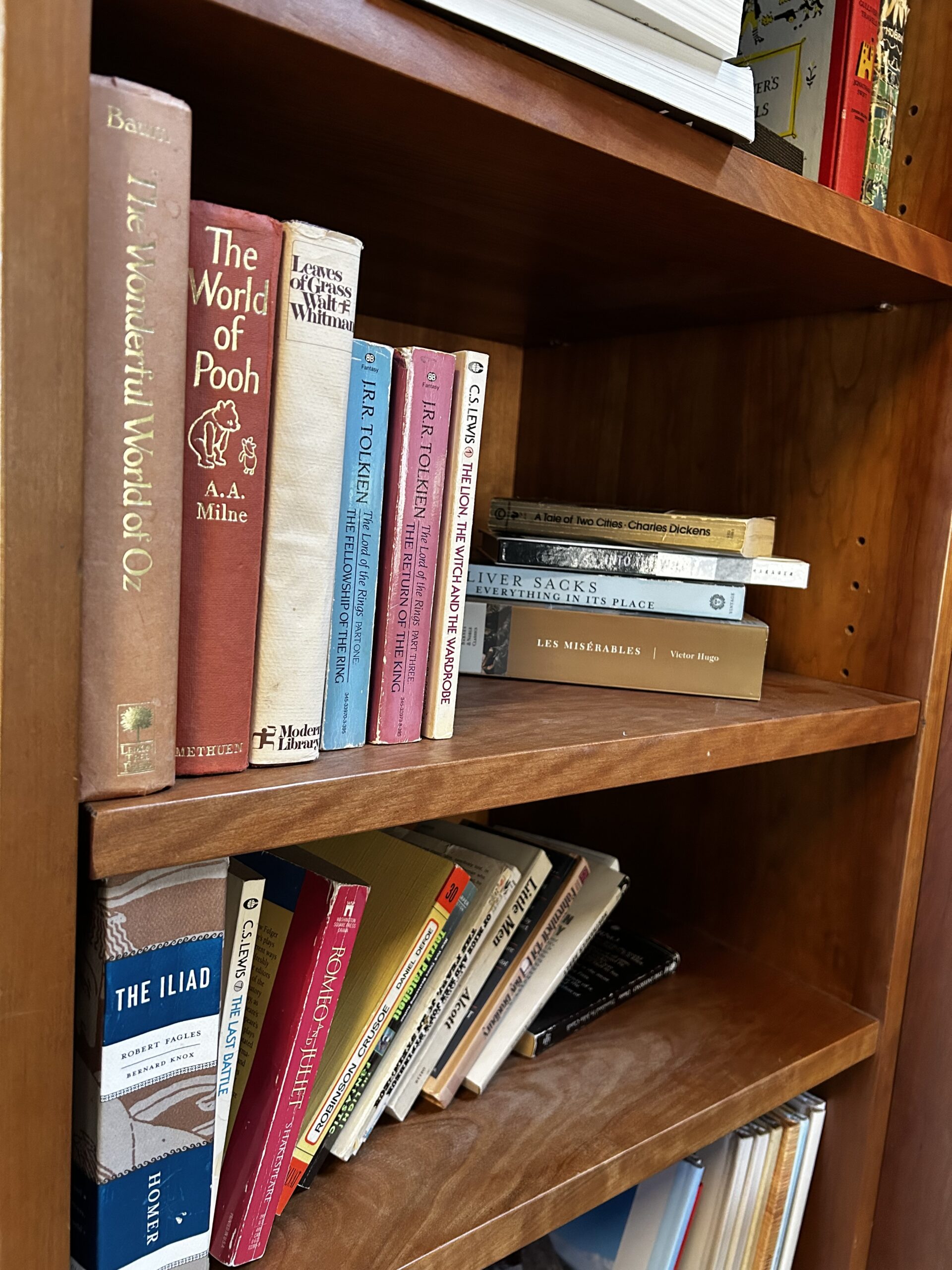
Today, fantasy is inescapable, but J.R.R. Tolkien’s “The Lord of the Rings” shaped the genre as we know it. Tolkien helped pioneer the now-popular image of elves, transforming Norwegian folk spirits into tall, commanding and ethereal warriors. Fantasy before Tolkien consisted mostly of fables, repackaged mythology and fairy tales like the Brothers Grimm’s stories. Readers and Dungeons & Dragons players can thank Tolkien for all the parties of heroes questing to fight dragons.
The never-ending production of new literary works and modern media adaptations shows literature’s current relevance. Even so, classic literature is most inspiring and educational in its original written form. Knowledge, analytical skills, empathy and entertainment can all be gained from reading. Avid readers of classic literature keep the greatest ideas of the past and present accessible in literature to both themselves and the world.